Enhance Your Space: The Definitive Guide to Decorative Concrete Approaches
Decorative concrete has become a preferred option for improving residential and commercial spaces. Its capacity to emulate natural materials, combined with a range of adjustable features, makes it a practical solution. Homeowners and designers alike appreciate its longevity and low maintenance. Yet, the full range of its potential often goes unrecognized. Exploring the various applications and techniques could reveal transformative possibilities for any environment. What might these solutions entail?
Why Choose Decorative Concrete for Your Residence?
When property owners want to improve their living spaces, ornamental concrete often emerges as an compelling option. This versatile material provides a distinctive combination of visual appeal and practicality, making it appropriate for various uses both indoors and outdoors. One of its primary advantages is the capacity to replicate natural materials, such as stone or wood, while retaining durability and low maintenance.
In addition, decorative concrete can be customized with tones, designs, and finishes, facilitating homeowners to articulate their personal vision. Its resilience in harsh conditions and wear maximizes longevity, making it a excellent investment for those seeking to upgrade their property.
Furthermore, decorative concrete can provide cost-effective options for refreshing existing surfaces, eliminating the requirement for expensive replacement options. As a result, it distinguishes itself as a sensible choice for individuals seeking to elevate their home's aesthetic appeal without sacrificing longevity and upkeep.
Practical Techniques to Utilize Decorative Concrete
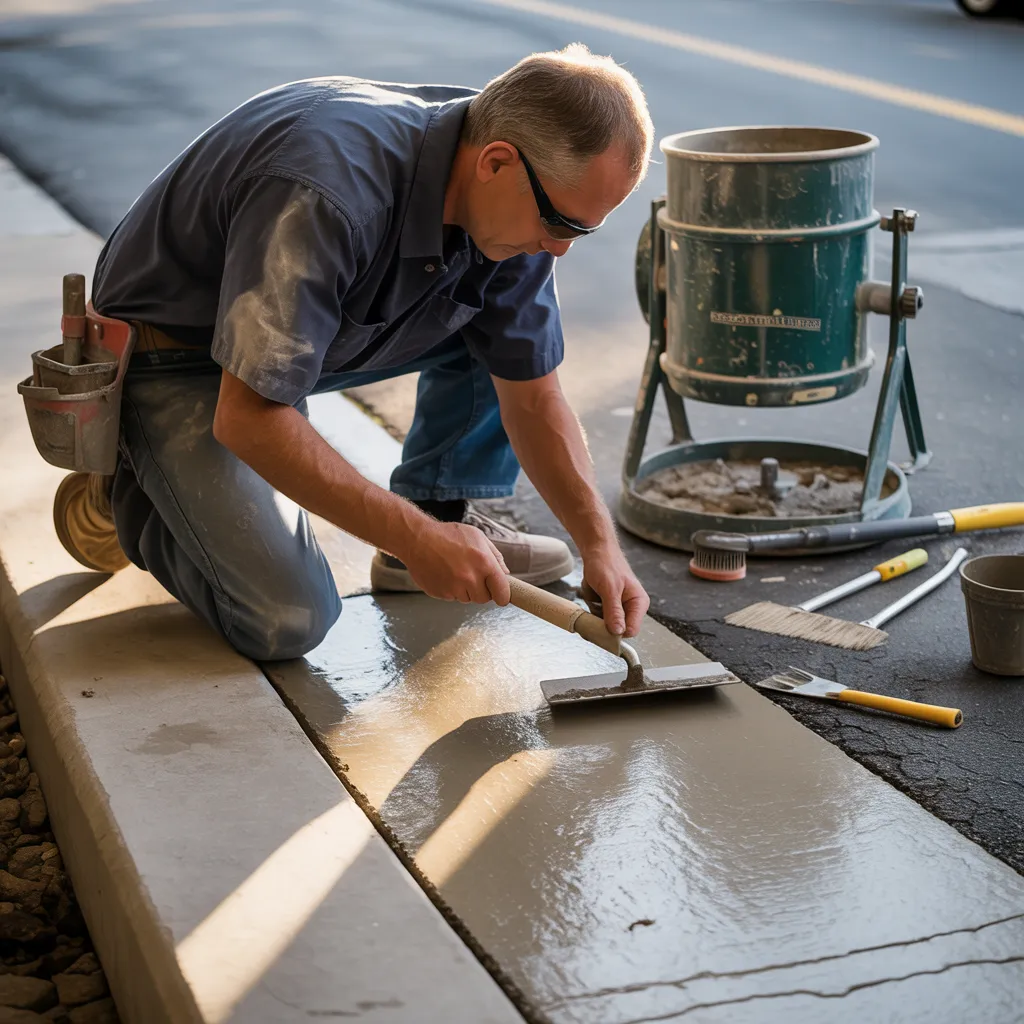
There are numerous practical applications for decorative concrete, making it a versatile choice for homeowners. This material can improve both indoor and outdoor spaces, providing aesthetic appeal and functionality. For driveways and patios, decorative concrete can be stamped or stained to mimic natural stone or brick, adding a stylish touch while ensuring durability. In gardens, decorative concrete curbing gives a clean, defined edge that complements landscaping efforts.
Throughout the residence, polished concrete floors are growing in demand for their modern look and low maintenance requirements. Ornamental concrete can also be utilized in counter surfaces, offering a distinctive finish that can be tailored with various colors and textures. Outdoor fireplaces and outdoor kitchen areas gain advantages from decorative concrete for both strength and durability and aesthetic appeal. By integrating decorative concrete into different elements of home design, homeowners can achieve a cohesive look that enhances their living spaces.
Preparing Your Surface for Decorative Concrete
Adding decorative concrete within your residential aesthetic requires careful description preparation of the surface to ensure ideal outcomes. The opening step entails extensively scrubbing the space, removing any dirt, grease, or debris that may hinder bonding. Power cleaning is often effective for outdoor areas, while interior rooms may need brushing and vacuuming.
Afterward, determining the state of the existing concrete is important. Cracks and imperfections should be restored using proper fillers to establish a smooth base. If the surface is bumpy, grinding and leveling materials may be necessary to achieve the desired flatness.
Finally, applying a primer can improve adhesion between the current concrete surface and the decorative layer, ensuring long-term performance and strength. By following these preparatory steps, homeowners can create an excellent foundation for their concrete enhancement endeavors, ensuring a stunning and lasting finish that renovates their area.
Key Strategies for Impressive Decorative Concrete Surfaces
A assortment of techniques can transform plain concrete into aesthetically appealing surfaces, improving both aesthetic appeal and functionality. One popular method is tinting, which absorbs into the concrete to create intense, dynamic tones that mimic natural stone. Another approach, stamping, entails embedding molds into wet concrete to replicate finishes like brick or slate, offering an elegant finish.
Polishing is also increasing in popularity, offering a polished, lustrous look while boosting durability. For those seeking a more expressive touch, decorative overlays can add intricate patterns or designs, giving concrete a unique flair.
Ultimately, etching makes possible intricate patterns to be inscribed on the surface, generating bespoke artistic works. Each of these approaches not only enhances concrete but also prolongs its lifespan, making decorative concrete a adaptable solution for different purposes.
What Budget Do You Need for Decorative Concrete?
Decorative concrete techniques enhance both the visual appeal and strength of surfaces, but understanding the financial implications is essential for homeowners and contractors alike. Planning finances for decorative concrete includes several factors, such as materials, labor, and project scope. On average, costs can vary from $3 to $12 per square foot, based on the complexity of the design and the type of finish chosen.
Basic tinting or imprinting is usually budget-friendly, while complex patterns or premium finishes may substantially increase expenses. Additionally, property owners should factor in potential extra expenses, such as foundation readiness and protective coating.
It's recommended to gather several estimates from reputable contractors to ensure a competitive price. Planning for a budget that covers both anticipated and unanticipated expenses will result in a successful project, ultimately improving the aesthetic appeal and functionality of the space.
Keeping Your Artistic Concrete Durable for Years to Come
Keeping decorative concrete in good condition is vital for preserving its durability and visual charm throughout time. Consistent cleaning routines, effective sealing techniques, and timely repairs of surface damage serve key functions in this care. Grasping these components can greatly extend the longevity of decorative concrete installations.
Regular Tidying Habits
To maintain the look and integrity of decorative concrete, frequent cleaning techniques are necessary. Regular maintenance not only improves the appearance but also prolongs the longevity of the surface. Sweeping or using a leaf blower clears dirt and debris, helping prevent stains and damage. For more thorough cleaning, a mild detergent combined with water works well at removing stubborn stains. It is crucial to avoid harsh chemicals that can ruin the finish. Pressure washing can be advantageous for larger areas, but one must be careful to manage the pressure to prevent surface damage. Regular inspections should be carried out to find any areas requiring special attention, ensuring the decorative concrete continues to be both functional and pleasing to the eye over time.
Sealing Procedures Covered
Regular upkeep routines establish the foundation for effective sealing techniques, which are essential in lengthening the durability of decorative concrete. Proper sealing halts moisture entry, thereby minimizing the risk of damage from freeze-thaw cycles and chemical exposure. A variety of sealers exist, including penetrating, topical, and hybrid types, each providing distinct advantages. Penetrating sealers absorb into the concrete for a natural finish, while topical sealers form a protective layer on the surface, enhancing look and gloss. Regular reapplication is necessary, typically every one to three years, based on environmental conditions and traffic. By applying the right sealing techniques, property owners can safeguard their investment, ensuring decorative concrete stays both functional and visually appealing over time.
Addressing Surface Damage
Common fixing techniques involve sealing fractures with epoxy and polymer materials, which adhere strongly to the existing surface. For larger damage, applying a decorative resurfacing layer can return the initial appearance while offering added protection. Consistent upkeep, such as cleaning and resealing, is essential to prevent upcoming wear. By focusing on restoration, property owners can ensure their decorative concrete stays vibrant and durable for many years ahead.
Inspiring Ornamental Concrete Project Examples
Decorative concrete has altered countless spaces, displaying its flexibility and design beauty. One significant project encompasses a residential patio, where stamped concrete copies natural stone, offering an elegant outdoor setting. This design not only elevates the visual appeal but also raises the property's value.
Throughout business districts, a downtown café selected colored concrete for its flooring, pairing functionality with style. The dynamic colors form a welcoming atmosphere, welcoming customers while strengthening durability.
A further inspiring case is a public park showcasing decorative concrete seating and walkways that incorporate artistic patterns. This thoughtful design strengthens the shared area, prompting guests to remain and savor their surroundings.
Furthermore, many homeowners are choosing for ornamental coatings on their driveways, enabling custom patterns that shine in the neighborhood. These examples illustrate the endless possibilities that decorative concrete offers, making it a favored choice for both commercial and residential projects.
Frequently Asked Questions
Can I Place Decorative Concrete Independently or Contract a Professional?
You can install decorative concrete independently, provided you have the required expertise and materials. Nevertheless, engaging a professional often provides a higher quality finish and compliance with safety standards, making it a safer choice for many.
What Kinds of Decorative Concrete Patterns Are Available?
Varied concrete aesthetic patterns feature stamped, stained, polished, and engraved designs. Each presents unique aesthetic appeal, facilitating customization in residential and commercial spaces, upgrading visual interest while providing robust, practical finishes.
How extended Does Ornamental Concrete Persist?
Decorative concrete generally endures 20 to 30 years, determined by elements such as quality of installation, maintenance, and environmental conditions. Consistent care and sealing can extend its lifespan, guaranteeing both durability and aesthetic appeal over time.
Is Decorative Concrete Right for Outdoor Applications?
Decorative concrete is truly perfect for outdoor settings. Its resilience, weather resistance, and diverse finish options make it a superior option for decks, driveways, and walkways, delivering both utility and aesthetic appeal.
Can Decorative Concrete Undergo Repairs if Damaged?
Yes, decorative concrete can be fixed if damaged. Various techniques, such as patching and resurfacing, can return its performance and look, guaranteeing durability and extending the longevity of the finish. Proper maintenance aids in preventing further issues.